
Introduction
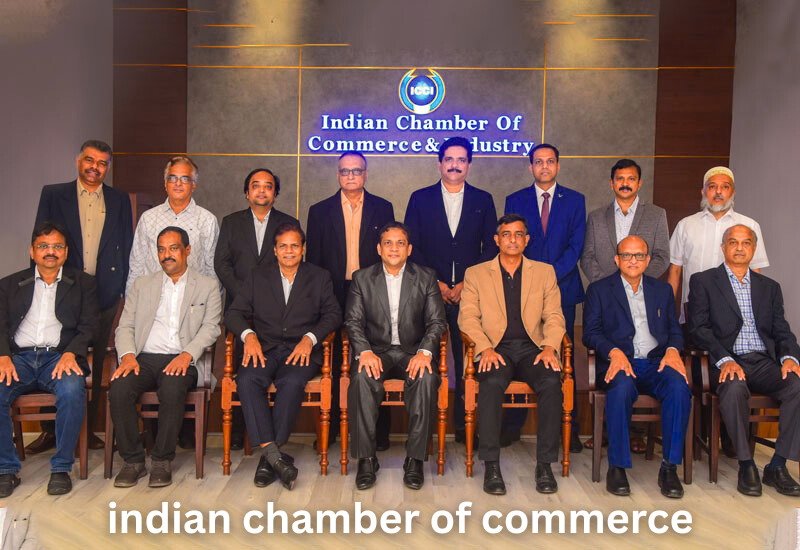
The Indian Chamber of Commerce stands as one of the most respected and historic business institutions in India, with a legacy that spans almost a full century. Founded in the year 1925, the chamber was established to provide Indian businesses with a unified voice at a time when trade and industry were dominated by foreign-controlled bodies. From its earliest years, the organization focused on empowering Indian entrepreneurs, promoting self-reliance, and building a strong national business identity. Today, the Indian Chamber of Commerce is recognized not just as a trade body, but as a strategic partner in India’s economic progress and industrial development.
History and Foundation
The foundation of the Indian Chamber of Commerce was deeply rooted in the vision of Indian industrialists who wanted to create a platform built by Indians and for Indians. During the early twentieth century, Indian merchants and manufacturers faced limited access to policy influence and international networks. The formation of this chamber marked a turning point by creating structured representation for Indian business communities. Over time, it evolved from a regional initiative in eastern India to a nationally and internationally respected institution that actively participates in shaping India’s business narrative.
Headquarters and National Presence
The headquarters of the Indian Chamber of Commerce is based in Kolkata, West Bengal, a city historically known as a commercial and cultural hub. From this base, the organization coordinates with a wide network of regional bodies, industry councils, and state-level partners. Its growing presence across major cities in India allows the chamber to remain directly connected with grassroots industries as well as large corporate houses. This nationwide footprint strengthens its ability to understand regional business challenges and provide practical, localized solutions.
Vision and Mission
The vision of the Indian Chamber of Commerce centers around creating a business environment that is competitive, transparent, inclusive, and sustainable. It aims to promote ethical business behavior while encouraging modernization, technology adoption, and global integration. Its mission focuses on strengthening India’s trade ecosystem, empowering industries, supporting entrepreneurs, and contributing to national development goals. The chamber places strong emphasis on balancing economic growth with social and environmental responsibility.
Role in Government Policy Making
A major strength of the Indian Chamber of Commerce lies in its advisory role to government institutions. The organization regularly conducts industry surveys, prepares analytical reports, and submits structured recommendations to policymakers. This process helps the government design regulations that are realistic and business-friendly. The chamber acts as a bridge that ensures communication flows smoothly between private enterprises and public authorities, reducing misunderstandings and promoting cooperative problem-solving.
| Attribute | Details |
|---|---|
| Name | Indian Chamber of Commerce (ICC) |
| Founded | 1925 |
| Founder(s) | Prominent Indian industrialists and business leaders of the pre-independence era |
| Headquarters | Kolkata, West Bengal, India |
| Type | Non-profit business organization |
| Industry Focus | Trade, industry, business advocacy, export promotion, policy advisory |
| Membership | Companies, startups, exporters, professionals, trade associations |
| Purpose / Mission | To promote Indian businesses, support trade, advise government, and encourage sustainable growth |
| Key Activities | Policy advocacy, international trade promotion, events, training, networking |
| Global Presence | Partnerships with international trade bodies, delegations, global events |
| Age | Nearly 100 years (as of 2025) |
| Net Worth / Financials | Non-profit organization; financially stable via memberships, sponsorships, and projects |
| Digital Presence | Official website, social media platforms, online publications |
| Impact | Strengthens Indian business, policy influence, trade expansion, skill development |
| Notable Recognition | One of India’s oldest and most respected chambers of commerce |
International Trade and Global Relations
The Indian Chamber of Commerce actively works to expand India’s footprint in the global economy. Through the organization of international trade fairs, economic summits, and diplomatic business meetings, it creates opportunities for Indian companies to engage with global markets. These initiatives help businesses understand foreign regulations, consumer behavior, and quality standards. Over time, these efforts have positioned Indian enterprises as reliable and competitive players in the global supply chain.
Support for Startups and Small Businesses
Recognizing that small and medium enterprises are the backbone of the Indian economy, the Indian Chamber of Commerce has built specialized programs to support startups and MSMEs. It provides mentorship from experienced industry leaders, training workshops, legal and compliance guidance, and access to financial literacy programs. These forms of support help new businesses survive initial challenges, stabilize operations, and plan for long-term growth with confidence.
Organizational Age and Identity
As an organization founded in 1925, the Indian Chamber of Commerce is approaching its 100-year milestone, making it one of the oldest business chambers in the country. Unlike a person, it does not have physical attributes such as height or facial features. Instead, its identity is reflected through its official emblem, formal publications, high-profile events, and the professionalism of its representatives. These elements together create a strong and recognizable institutional personality.
Family and Professional Network
The professional “family” of the Indian Chamber of Commerce is made up of a vast and diverse network of stakeholders. This network includes large corporations, small business owners, exporters, importers, academic institutions, government departments, and international organizations. This interconnected ecosystem allows the chamber to act as a central hub where ideas, opportunities, and solutions are shared. The strength of this network is one of the key reasons behind the chamber’s long-standing influence.
Net Worth and Financial Strength
The Indian Chamber of Commerce operates as a non-profit organization, which means it does not disclose a traditional corporate net worth. However, its financial strength can be understood through its operational capacity. The chamber consistently organizes large-scale national and international conferences, publishes professional research reports, and manages long-term projects. Its income is generated mainly through membership contributions, sponsorships, and collaborative initiatives.
Digital Presence and Social Media
In the digital era, the Indian Chamber of Commerce has adapted by developing a strong online presence. It uses professional platforms to share policy insights, industry updates, and event information. Through its digital channels, it connects with young entrepreneurs, business professionals, and international collaborators. This online visibility helps the chamber remain relevant, transparent, and accessible in a fast-changing global business environment.
Physical Appearance and Brand Image
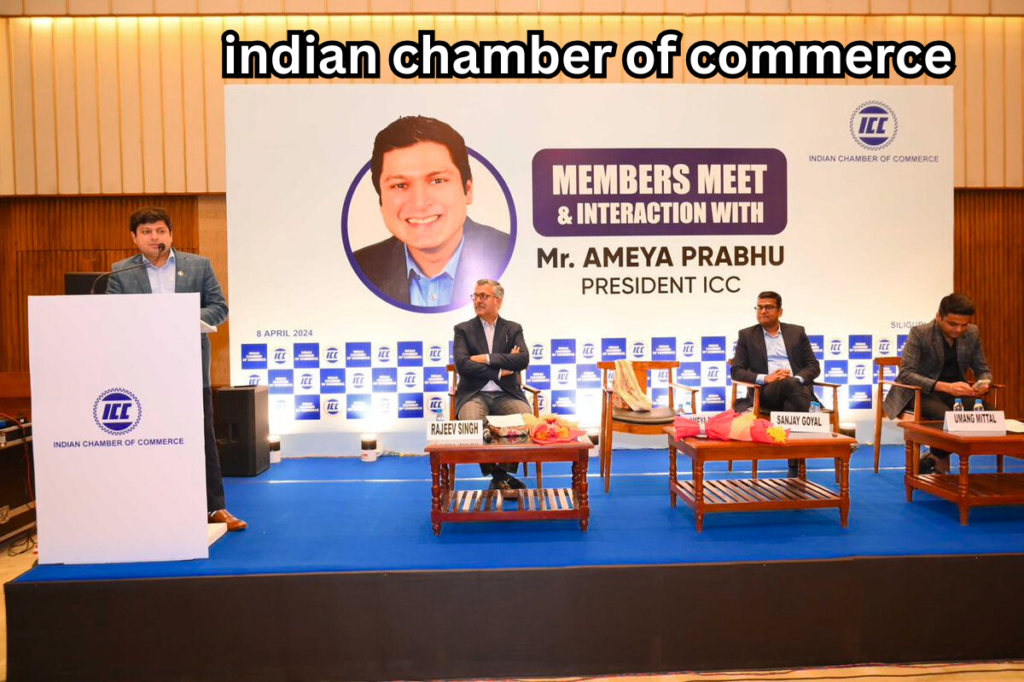
Although the organization does not have human physical features, its “appearance” can be understood through its institutional branding and infrastructure. The well-designed office spaces, structured event setups, branded materials, and official publications reflect professionalism and trustworthiness. This visual consistency reinforces the chamber’s reputation as a serious and reliable institution in the eyes of both businesses and government bodies.
Contribution to Sustainable Development
The Indian Chamber of Commerce has developed a strong commitment to sustainable growth and environmental responsibility. It promotes green business practices, supports the adoption of renewable energy, and encourages industries to reduce their environmental footprint. Through collaborations with global institutions and development platforms, it works to enhance climate awareness and disaster preparedness in the business community.
Impact on the Indian Economy
The long-term impact of the Indian Chamber of Commerce on India’s economic structure is significant. It has played a role in improving the ease of doing business, strengthening export capabilities, attracting foreign investments, and encouraging entrepreneurship. Its policy advocacy and industry support programs have contributed to job creation, skill development, and industrial modernization across multiple sectors.
Conclusion
The Indian Chamber of Commerce continues to stand as a pillar of strength for India’s business ecosystem. With nearly a century of experience, a powerful professional network, and a forward-looking vision, it remains deeply involved in shaping the country’s commercial future. Its role in policy development, trade promotion, and enterprise support ensures that it will remain a vital force in India’s economic journey for many years to come.
FAQs
Q: What is the Indian Chamber of Commerce?
A: The Indian Chamber of Commerce is a historic business organization in India, founded in 1925, that represents Indian companies, supports trade, and advises the government on business policies.
Q: Who can become a member of the Indian Chamber of Commerce?
A: Businesses, startups, exporters, and professionals can join the Indian Chamber of Commerce to access networking, policy support, and industry resources.
Q: What benefits do members receive from the Indian Chamber of Commerce?
A: Members of the Indian Chamber of Commerce gain policy advocacy, trade promotion, training programs, market insights, and opportunities to participate in international events.
Q: How does the Indian Chamber of Commerce influence business policies in India?
A: The Indian Chamber of Commerce conducts research, submits policy recommendations, and engages with the government to promote business-friendly regulations.
Q: How can businesses connect with the Indian Chamber of Commerce?
A: Companies can contact the Indian Chamber of Commerce through its official website or regional offices to join events, advisory programs, and trade initiatives.
