
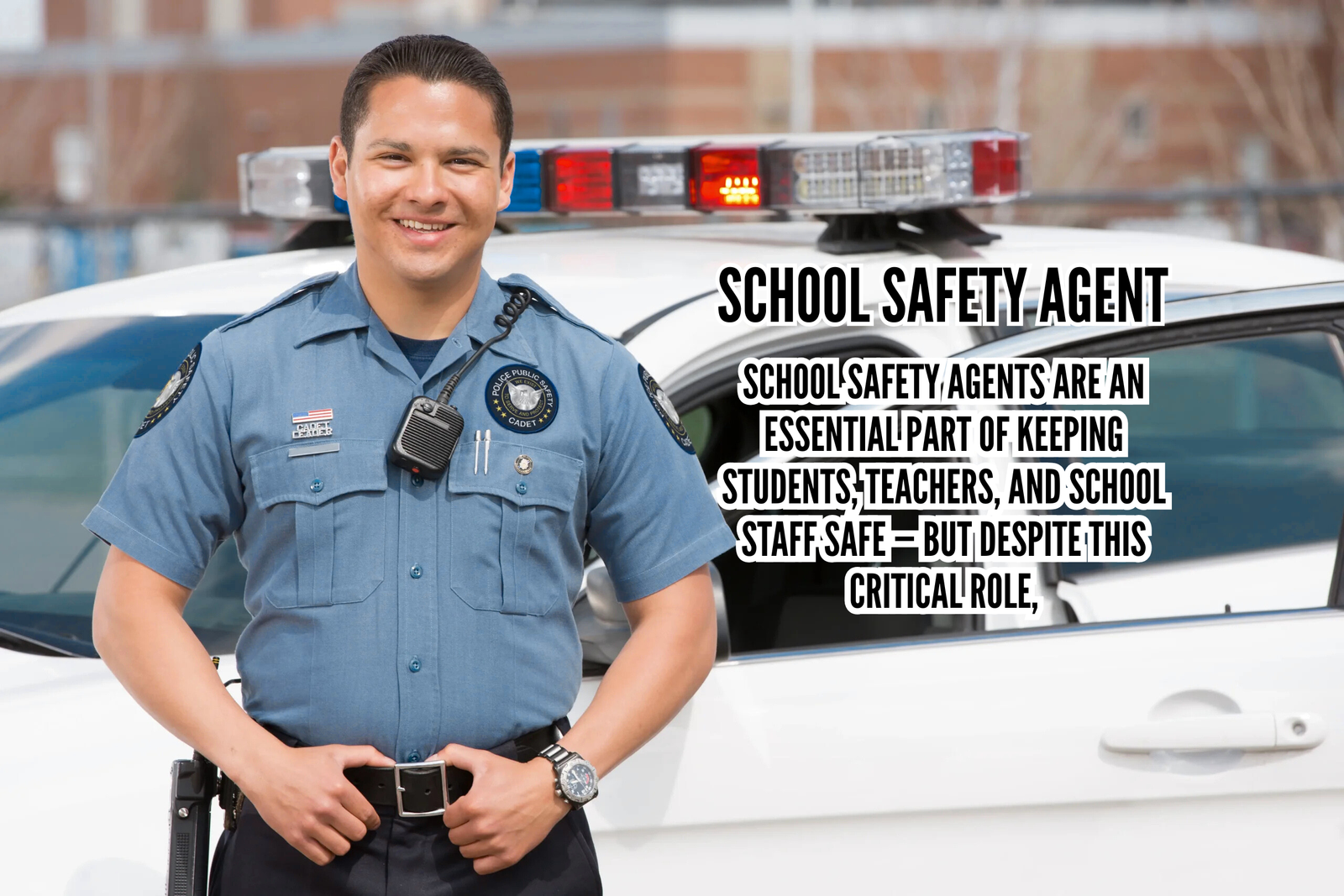
School Safety Agents are an essential part of keeping students, teachers, and school staff safe — but despite this critical role, many people don’t fully understand what they do, who they are, or what it’s like to work in this profession. In this guide, we’ll explore everything from job duties to training, requirements to lifestyle, and even the human side of working in school safety.
Whether you are considering this as a career, are curious about how schools stay secure, or simply want a deeper understanding of this role, this article covers it all.
Introduction: The Role of a School Safety Agent
A School Safety Agent is a security professional tasked with maintaining a safe and secure environment inside and around school buildings. These agents are responsible for preventing unauthorized access, monitoring campus activity, interacting with students and visitors, and responding to safety incidents that could disrupt the learning environment. Their work is especially visible in large urban districts like New York City, where agents operate under structured programs and formal training provided by city authorities.
Unlike teachers or administrators, School Safety Agents are primarily focused on maintaining safety, order, and compliance with school and legal policies. Their presence helps schools create a sense of security so that students can learn effectively and without fear.
What Do School Safety Agents Do Every Day?
School Safety Agents wear uniforms and patrol school grounds, sometimes using technology like scanners at entrances to detect prohibited items. They check identities, greet students and visitors, and ensure that only authorized people are inside school facilities.
Agents also patrol hallways during class changes, monitor lunches and recess, and respond quickly when there are fights, medical incidents, or safety threats. In emergencies, they coordinate with school administrators and, if necessary, local law enforcement.
A key part of their role is interaction with the school community — greeting students, building relationships, and sometimes serving as trusted adults that kids can talk to. While their primary focus is safety, agents also often act as a supportive presence in students’ school lives.
| Profile Item | Details |
|---|---|
| Job Title | School Safety Agent |
| Role | Ensures school safety, monitors entrances, handles emergencies |
| Age Requirement | 21+ years |
| Education | High School Diploma or GED |
| Training | Law basics, emergency response, conflict management, physical fitness |
| Law Authority | Limited Peace Officer powers (varies by city) |
| Salary | $36,000 – $50,000+ per year (varies by location) |
| Benefits | Health insurance, pension, paid leave |
| Skills Needed | Communication, situational awareness, empathy, conflict resolution, fitness |
| Work Hours | School hours, may include nights, weekends, and holidays |
| Social Media | Personal, not role-specific |
| Career Growth | Supervisory roles, law enforcement, security management |
Requirements to Become a School Safety Agent
Age and Citizenship
To work as a School Safety Agent in the New York City system — one of the most detailed examples available — individuals must be at least 21 years old at appointment and must be U.S. citizens. There is no maximum age limit, so as long as candidates meet the fitness and background standards, they can be appointed at any stage in adulthood.
Education and Background Checks
A minimum requirement is a high school diploma or GED. Candidates also undergo a character investigation, drug screening, and medical evaluation to ensure they are fit for service. A background check is mandatory and ongoing throughout employment.
Training and Physical Standards
All new agents attend a training academy, where they learn about law, behavioral science, emergency response procedures, and legal processes relevant to school safety. Training may last up to 17 weeks, and agents begin receiving pay and benefits from day one.
Training also includes a physical agility test, which measures stamina and emergency response ability through simulated scenarios such as stair climbs and victim rescues.
What Skills Do Successful Agents Have?
Successful School Safety Agents need a mix of skills:
- Strong communication — to interact effectively with students, staff, and visitors
- Situational awareness — to notice potential issues before they escalate
- Conflict resolution — to calmly address disputes and physical altercations
- Empathy and patience — important when working with diverse student populations
- Physical fitness — needed for walking, standing, and emergency responses.
These skills help agents not only enforce rules but also contribute positively to the school’s overall climate.
School Safety Agents Are Not Police, But They Are Peace Officers
In some cities — especially New York City — School Safety Agents are designated as Peace Officers, which means they have limited law enforcement authority. They can use physical force, handcuffs, and make warrantless arrests if it is necessary to maintain safety.
This authority is different from full police officer powers, but it allows agents to be proactive in protecting students and staff without carrying firearms. Their uniformed presence and authority help deter unauthorized behavior and ensure that schools remain secure places for learning.
Salary and Benefits: What Agents Earn
School Safety Agents typically start with a solid but modest salary compared to other law enforcement jobs. In major districts like New York City, starting pay is often in the mid‑$30,000s per year, increasing with years of service and responsibility.
With around five years of service, agents can reach mid‑level salaries in the $50,000+ range, and supervisory roles pay more. Benefits include medical and dental insurance, paid vacation and sick leave, and pension plans.
In other regions, like Dublin, Ireland, average pay for similar roles is around €35,952 per year, although this varies by employer and location.
Career Growth and Opportunities
The role of School Safety Agent can be a long‑term career or a career stepping stone. Some agents stay in school safety for decades, moving into supervisory positions, while others use the experience to transition into law enforcement, emergency response, or security management.
Agents may also gain college credits for completing training programs, further enhancing their professional development prospects.
Work Life and Challenges
School Safety Agents do not always work traditional hours. They may need to cover nights, weekends, holidays, and school events, depending on their assignment. They also face physically and emotionally demanding situations, such as responding to fights, medical emergencies, or intrusions.
The work requires vigilance and sometimes involves stressful interactions. Some agents report that maintaining discipline while building positive relationships with students can be challenging. But many also find deep satisfaction in helping protect young people and supporting safe educational environments.
The Human Side: Real People in the Role
While “School Safety Agent” is a job title and not a public figure, real agents bring their own backgrounds, families, and personalities to the role. Some agents start this job after other careers, and others join because they want to work with youth or make a difference in their community.
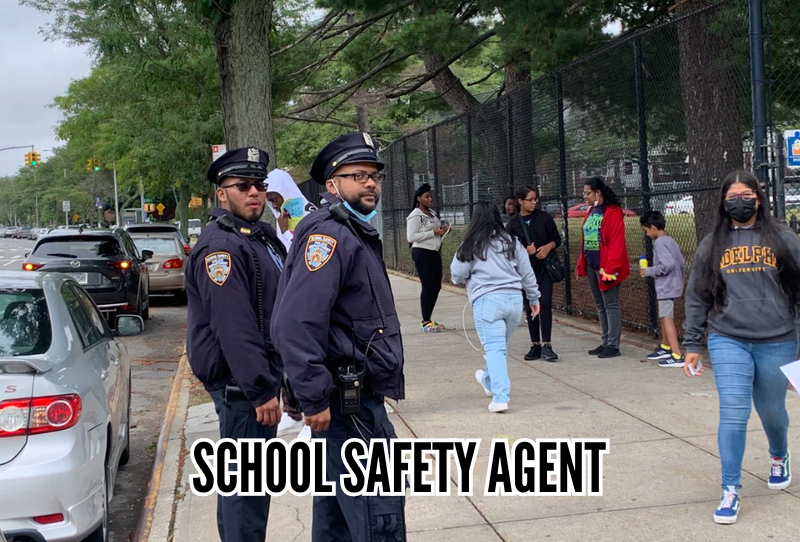
For example, some agents at one New York City school shared how personal motivation — whether financial support for family or a desire to work with children — brought them into school safety. These personal stories highlight that behind every agent is a unique human being with their own life, challenges, and goals.
Because agents are public employees rather than individual celebrities, there is no single profile for age, height, family status, net worth, or social media presence associated with “School Safety Agent” as a person. Each individual in the role will have their own personal attributes and online presence, but they are not collected under this job title.
Why School Safety Matters
Across the United States and around the world, schools prioritize safety not just to prevent violence, but to create a supportive learning environment. Agents, administrators, teachers, and families all play roles in safety plans that include regular drills, crisis responses, and community involvement.
In major cities, school safety strategies have evolved over decades — rooted in community needs, education priorities, and public safety concerns. A long history of safety staff in schools shows how important these roles are in promoting stability and trust.
Final Thoughts
A School Safety Agent is much more than a uniformed presence at a school entrance. It is a dedicated job focused on protecting students and staff, requiring training, human interaction, physical readiness, and clear judgment.
If you’re thinking about pursuing this career, you should know that it’s a profession rooted in service — not just security. It involves human skills as much as technical ability, and it matters deeply in the lives of students, educators, and families.
By understanding the role, requirements, and reality of school safety work, you can appreciate how these agents contribute to safer, more supportive educational spaces every day.
FAQs
Q: What is a School Safety Agent?
A: A School Safety Agent is a trained professional who protects students, staff, and school property, ensuring a safe learning environment.
Q: What qualifications are needed to become a School Safety Agent?
A: Candidates usually need a high school diploma or GED, be at least 21 years old, pass background checks, and complete physical and medical evaluations.
Q: Do School Safety Agents have law enforcement powers?
A: In some cities, yes. They are designated as Peace Officers with limited authority, like making arrests and using handcuffs in emergencies.
Q: What is the typical salary of a School Safety Agent?
A: Salaries vary by city, ranging from around $36,000 to $50,000+ per year, with benefits like health insurance and pension plans.
Q: What skills are important for a School Safety Agent?
A: Key skills include communication, conflict resolution, situational awareness, empathy, and physical fitness.
