
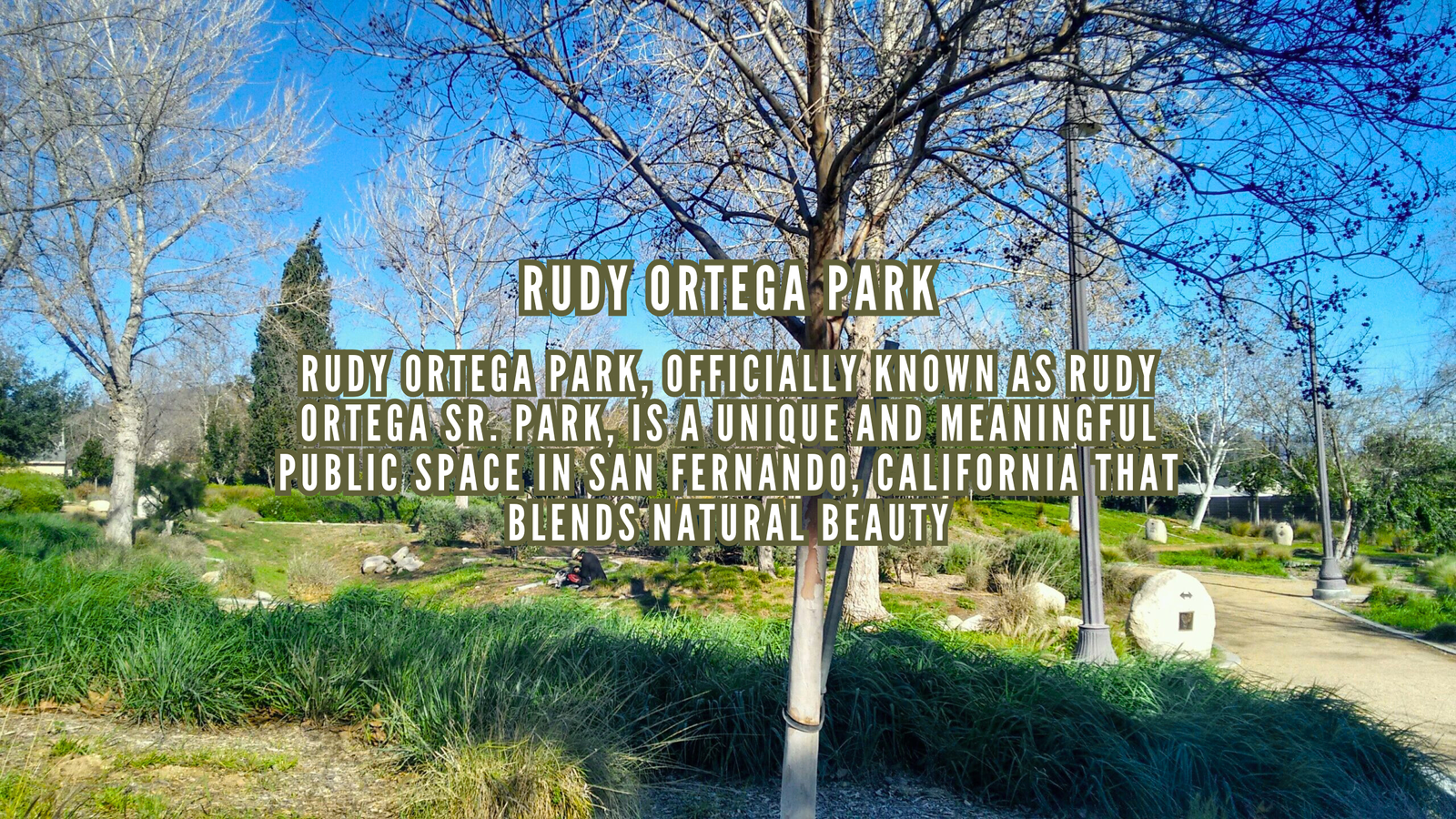
Rudy Ortega Park, officially known as Rudy Ortega Sr. Park, is a unique and meaningful public space in San Fernando, California that blends natural beauty with deep historical and cultural significance. Unlike a typical neighborhood park, Rudy Ortega Park tells the story of the Fernandeño Tataviam Band of Mission Indians, preserves native landscapes, and honors the life of Tribal Captain Rudy Ortega Sr., a lifetime leader of his community.
Rudy Ortega Park stretches across approximately 3.5 acres on the ancestral lands of the Fernandeño Tataviam people. The park’s design thoughtfully reflects elements of the region’s Indigenous identity, featuring walking trails, native plants, and spaces for learning and cultural engagement.
A Park With Deep Roots in Native Lands
The land that today houses Rudy Ortega Park was once part of the village territory known as Patzkunga, inhabited by Indigenous people long before Spanish missions or American settlement. The park honors that legacy through its layout and interpretation.
Rather than prioritizing open, manicured lawns like many urban parks, Rudy Ortega Park blends ecological principles with cultural interpretation. A walking trail connects features such as a Mission‑style plaza, a Japanese tea house, a restored historic water tower, and a small amphitheater — all set amidst drought‑tolerant plantings meant to reflect the natural landscape of the region.
This thoughtful design makes Rudy Ortega Park a place for reflection, exploration, and education, inviting visitors to learn about the Indigenous history of the San Fernando Valley.
The Man Behind the Name: Rudy Ortega Sr.
Although Rudy Ortega Park celebrates a place, its name honors a person — Rudy Ortega Sr., a long‑serving Tribal Captain of the Fernandeño Tataviam Band of Mission Indians. Ortega Sr. was born and baptized in San Fernando and grew up intimately connected with his community’s traditions and stories.
From his early life, Rudy Ortega Sr. understood the importance of cultural continuity. His grandfather had served as an early representative of the Fernandeño people in land disputes, and those lessons shaped Ortega Sr.’s lifelong mission to support his people’s cultural identity.
In the 1940s, he served in the U.S. Army during World War II, an experience that bolstered his commitment to service. After returning home, he dedicated decades to organizing community meetings, founding nonprofit structures, and advocating for tribal rights and cultural preservation.
| Detail | Information |
|---|---|
| Name | Rudy Ortega Sr. Park |
| Location | 2025 Fourth Street, San Fernando, California, USA |
| Named After | Rudy Ortega Sr., Tribal Captain of Fernandeño Tataviam Band |
| Type | Cultural and Recreational Park |
| Key Features | Walking trails, Mission-style plaza, Japanese tea house, native plants, amphitheater |
| Opening Hours | Daily, sunrise to sunset |
| Purpose | Honor Native heritage, cultural education, community engagement |
| Established | Named in honor of Rudy Ortega Sr. (exact year varies in sources) |
| Visitors | Open to public, educational and recreational use |
| Community Role | Venue for cultural events, restoration, and Indigenous awareness |
A Life of Community Leadership
Rudy Ortega Sr. did not lead quietly; he actively pursued opportunities to elevate the Fernandeño Tataviam community. He helped establish organizations aimed at supporting education, cultural events, and tribal services. Through these efforts, he provided scholarships, community programs, and gatherings that strengthened tribal bonds.
He also served on the Los Angeles City/County Native American Indian Commission, representing Indigenous interests in civic affairs. His leadership helped the Tribe adopt a constitution and reorganize under the name Fernandeño Tataviam Band of Mission Indians in 2002. Under his guidance, the Tribe worked on cultural programming, language retention, and efforts toward federal recognition.
Cultural Vision Embedded in the Park
The elements that define Rudy Ortega Park were intentionally selected to reflect Indigenous values, cultural memory, and ecological stewardship. Walking through the park, visitors find more than a leisure space — they encounter landscapes and structures that speak to centuries of Indigenous presence.
The walking trails wind through native vegetation and open spaces, offering a sensory experience tied to Southern California’s natural environment. The Japanese tea house provides a tranquil spot for contemplation and community gathering, while the Mission‑style plaza and amphitheater create venues for performances, educational workshops, and cultural discussions.
Rudy Ortega Park uses drought‑tolerant plants and trees not only for sustainability but to show how native landscapes thrived long before lawns and playgrounds dominated park design. This ecological emphasis connects visitors with the environment in a way that celebrates both natural and cultural heritage.
Community Involvement and Restoration
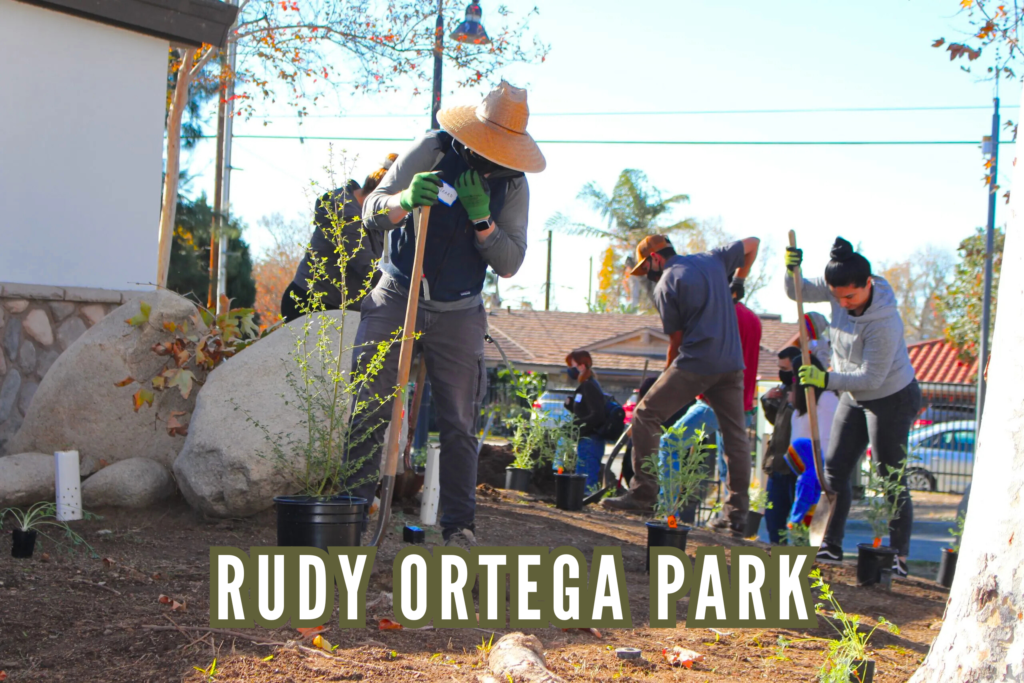
A defining feature of Rudy Ortega Park is the way the community participates in its care and evolution. In December 2021, a diverse group of volunteers — including families, students, and members of local organizations — took part in a restoration event at Rudy Ortega Park. The day began with a traditional Indigenous song and ceremony followed by planting native vegetation alongside tribal members and environmental partners.
These efforts were not merely cosmetic; they were symbolic. The restoration of native plants helped reinvigorate the park’s original ecological intent and reinforced the park’s ties to Indigenous stewardship. Involving the community in this hands‑on work emphasized that Rudy Ortega Park belongs not only to one group but to all who care about cultural history and environmental sustainability.
Challenges and Growing Appreciation
When Rudy Ortega Park first opened, some local residents were unfamiliar with the idea of a park focused on native vegetation and cultural interpretation rather than playgrounds and manicured lawns. Early impressions of the landscape as “weedy” reflected a lack of understanding of its deeper purpose.
Over time, however, education, community events, and restoration work helped reshape views. People began to appreciate the ecological design and cultural intention behind the park’s layout. These conversations have sparked broader recognition that parks can serve many purposes beyond recreation — including history education, ecological awareness, and cultural visibility.
The Legacy Continues Through New Leadership
Although Rudy Ortega Sr. passed away in 2009, the spirit of his work lives on at Rudy Ortega Park and through the leadership of his son, Rudy Ortega Jr., who now leads the Tribe as Tribal President. Ortega Jr. has continued his father’s legacy with a focus on tribal visibility, cultural preservation, and political engagement.
Ortega Jr. has also expanded the Tribe’s presence in regional conservation efforts, including serving on boards like the Mountains Recreation and Conservation Authority, where he works on park and open‑space preservation. His leadership reflects a blend of cultural stewardship with modern environmental and civic engagement.
Visiting Rudy Ortega Park Today
When you visit Rudy Ortega Park, you enter a space shaped by history, culture, and community collaboration. The park is open daily from sunrise to sunset and offers a peaceful setting to walk, reflect, and connect with the land.
Rudy Ortega Park does not feature loud play structures or sports fields. Instead, it prioritizes interpretive trails, shaded gathering spaces, ecological planting, and small performance areas — all meant to inspire curiosity and learning about Indigenous heritage and environmental stewardship in Southern California.
Various community events — from planting days to Earth Day celebrations — are hosted at the park throughout the year, further anchoring it as a living cultural space rather than just a passive green area in the city.
Rudy Ortega Park — A Place of Memory and Future Potential
Rudy Ortega Park stands as a testament to the endurance and resilience of the Fernandeño Tataviam people. Its landscape embodies centuries‑old traditions while inviting new generations to learn about Indigenous history and ecology. Through collaborative stewardship between the Tribe and the City of San Fernando, the park continues to evolve as a community resource, cultural landmark, and educational site.
Whether you come to walk the trails, attend an event, or simply sit among the native plants, Rudy Ortega Park offers a space for reflection, connection, and respect for the land’s original inhabitants. It reminds us all that parks can be more than places to play — they can be bridges to history, identity, and collective understanding.
Conclusion
Rudy Ortega Park is more than a public space — it is a living tribute to the Fernandeño Tataviam Band of Mission Indians and the legacy of Rudy Ortega Sr. The park beautifully blends cultural heritage, ecological preservation, and community engagement, offering visitors a chance to learn, reflect, and connect with history. From its native trails and plazas to its educational programs and events, Rudy Ortega Park stands as a reminder of the enduring importance of Indigenous leadership and cultural preservation. Whether for recreation, education, or simply enjoying nature, this park provides a meaningful and enriching experience for all.
FAQs
Q: What is Rudy Ortega Park?
A: Rudy Ortega Park, also called Rudy Ortega Sr. Park, is a cultural and recreational park in San Fernando, California, honoring the Fernandeño Tataviam Band of Mission Indians.
Q: Who was Rudy Ortega Sr.?
A: Rudy Ortega Sr. was a Tribal Captain and community leader who worked to preserve Native traditions and cultural heritage in Southern California.
Q: Where is Rudy Ortega Park located?
A: The park is located at 2025 Fourth Street, San Fernando, California, on land historically inhabited by the Fernandeño Tataviam people.
Q: What can visitors do at Rudy Ortega Park?
A: Visitors can enjoy walking trails, native plants, cultural exhibits, a Mission-style plaza, a Japanese tea house, and community events.
Q: Is Rudy Ortega Park open to the public?
A: Yes, Rudy Ortega Park is open daily from sunrise to sunset for recreational, educational, and cultural visits.
