
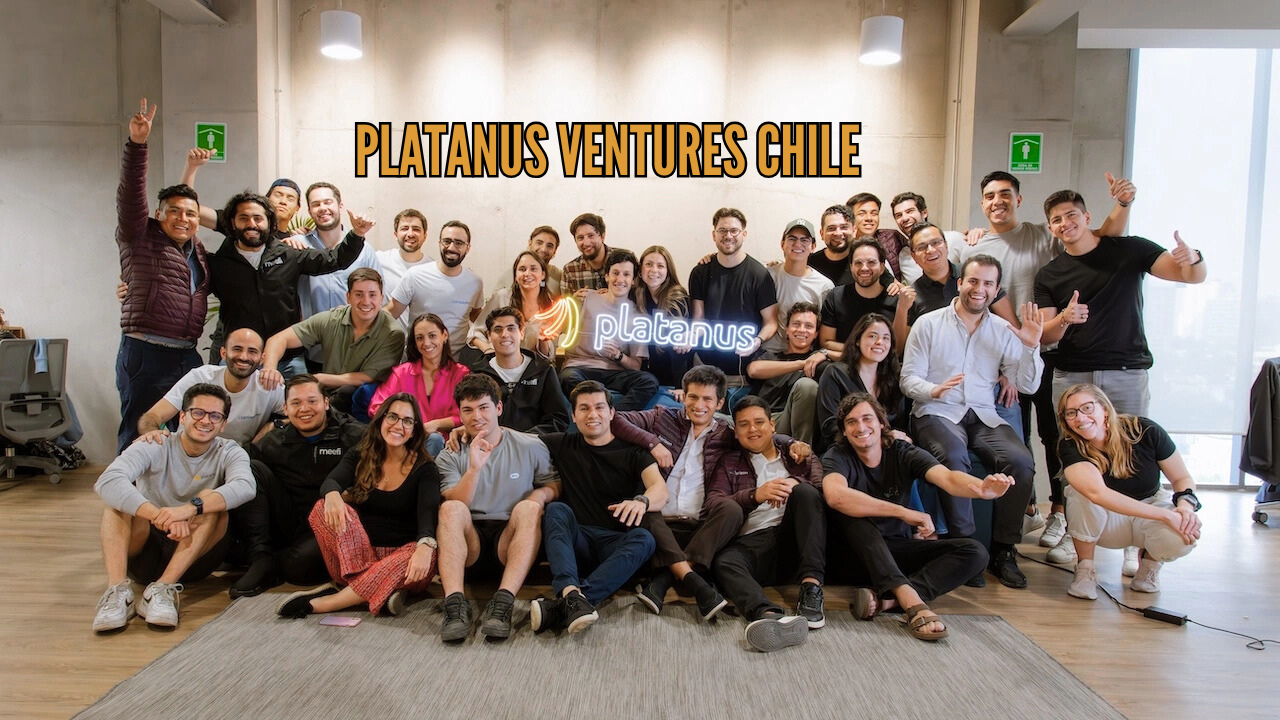
Chile has quietly emerged as a technology and innovation hub in Latin America, and at the center of this growth is Platanus Ventures Chile. Founded in 2020, Platanus Ventures Chile has quickly earned a reputation as one of the region’s most impactful early-stage venture capital firms and startup accelerators. Its mission is clear: to support ambitious founders, help startups scale rapidly, and establish Latin America as a global source of technical talent.
Platanus Ventures Chile stands apart because it combines early-stage capital, hands-on mentorship, and community building in one focused program. Rather than being just a source of funding, it offers a structured acceleration framework that guides startups through product development, market validation, and investor fundraising. Within a few short years, Platanus Ventures Chile has invested in more than 90 technology startups, many of which have gone on to join international acceleration programs or attract major global investors.
Origins and Founding Vision
Platanus Ventures Chile was founded in March 2020 in Santiago, Chile, at a time of global uncertainty due to the COVID-19 pandemic. Despite challenges, the founders saw an opportunity: many early-stage startups in Latin America lacked access to critical funding and mentorship from partners who truly understood tech product development.
The leadership team includes experienced founders with strong backgrounds in engineering, product, finance, and legal frameworks. Among them is Paula Enei, a former leader at Startup Chile and now CEO of Platanus Ventures Chile. In her early 40s, Paula is recognized for her mentorship approach and active engagement with founders, frequently sharing insights on LinkedIn.
Co-founder Andrés Matte focuses on technical guidance, while Agustín Feuerhake brings fintech expertise from his work at Fintual. Jaime Bünzli contributes leadership experience from cryptocurrency platforms like Buda.com, and Joaquín Stephens offers legal and regulatory guidance. From the beginning, Platanus Ventures Chile emphasized a community-driven approach, supporting startups with strong technical teams.
Mission and Core Philosophy
While often compared to global accelerators like Y Combinator, Platanus Ventures Chile operates with a distinct Latin American perspective. Instead of copying international models, the firm focuses on short-cycle programs, founder-friendly terms, and local mentorship, which better suit the needs of regional entrepreneurs.
The mission of Platanus Ventures Chile is defined by three pillars:
- Invest in Technical Founders: Each startup team must include a technical co-founder capable of executing the product vision.
- Provide Early-Stage Support: Beyond funding, mentorship is embedded into acceleration cycles, including guidance on business models, pitching, and growth strategy.
- Build a Latin American Startup Network: The accelerator supports startups across Latin America, expanding access to investors and partners.
This approach has yielded measurable success. Startups backed by Platanus Ventures Chile have attracted additional international investment and participated in prestigious global programs.
| Item | Details |
|---|---|
| Name | Platanus Ventures Chile |
| Type | Venture Capital Firm / Startup Accelerator |
| Founded | 2020 |
| Location | Santiago, Chile |
| Founders / Key People | Paula Enei (CEO), Andrés Matte, Agustín Feuerhake, Jaime Bünzli, Joaquín Stephens |
| Focus Areas | Tech startups, Fintech, Health Tech, AI, Robotics |
| Funding Offered | Around US$200,000 per startup (5.5% equity via SAFE) |
| Programs | 12-week accelerator, mentorship, Demo Day |
| Website / Contact | Platanus Ventures |
| Social Media | LinkedIn & Twitter (Founders active) |
| Mission | Support early-stage startups with capital, mentorship, and regional networks |
Investment Model
Platanus Ventures Chile runs a 12-week accelerator program combining workshops with 1-on-1 mentoring sessions. Founders receive guidance on identifying product-market fit, growth strategies, and investor pitches.
Initially, funding was around US$50,000 per startup for a small equity stake. As of 2024, accepted startups receive US$200,000 in exchange for approximately 5.5% equity via a SAFE agreement. This funding allows startups to build products and test markets with enough runway before seeking additional capital.
The program is highly selective. Only startups with strong technical founders and scalable potential are chosen, ensuring high-quality cohorts and meaningful outcomes for both founders and investors.
Mentorship and Community Support
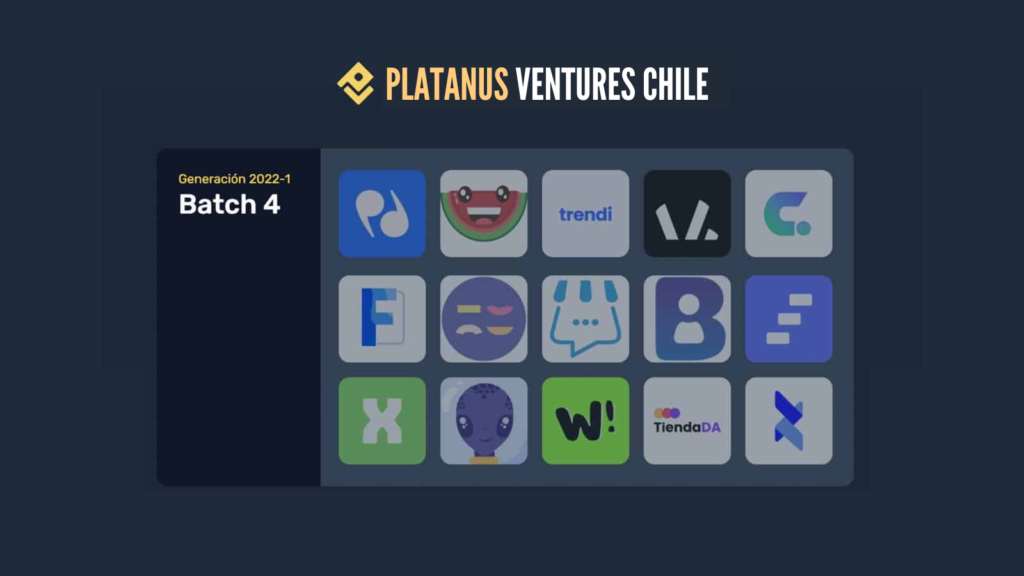
Mentorship is at the core of Platanus Ventures Chile. Each startup team is paired with experienced founders, engineers, and investors who provide practical advice on challenges such as product design, team hiring, and fundraising.
Community is equally important. Startups in each cohort work together, share lessons, and provide mutual support. This network fosters long-term collaboration, extending beyond the accelerator program. The program culminates in a Demo Day, where companies present to a curated audience of investors, often securing follow-on funding.
Notable Success Stories
Even as a young firm, Platanus Ventures Chile has fostered several successful startups. Notable examples include:
- Examedi – A telemedicine platform serving Latin America.
- Fintoc – A fintech API company helping developers integrate financial products.
- Toku – A communications platform for business messaging in Latin America.
These successes highlight Platanus Ventures Chile’s ability to select startups with global potential and help them scale internationally.
Expansion and Future Direction
Platanus Ventures Chile continues to expand across Latin America. The firm plans larger investment funds targeting industries such as climate tech, health tech, AI, and robotics.
International partnerships and advisors have been added to strengthen the mentorship ecosystem. This expansion reflects Platanus Ventures Chile’s ambition to build a regional venture capital presence while remaining founder-focused and community-driven.
Profiles & Social Media Presence
The founders of Platanus Ventures Chile are active in the startup ecosystem:
- Paula Enei – CEO, shares insights on LinkedIn.
- Andrés Matte – Technical co-founder, active on Twitter.
- Agustín Feuerhake – Fintech expert, frequently speaks at summits.
- Jaime Bünzli – Recognized in crypto and fintech communities.
- Joaquín Stephens – Legal advisor and participant in VC discussions.
Exact net worth figures are not publicly available, but their influence positions Platanus Ventures Chile’s leadership as key figures in Latin America’s tech landscape.
Conclusion
Platanus Ventures Chile is more than an accelerator; it is a strategic catalyst for innovation in Latin America. By combining funding, mentorship, and community, it empowers startups to grow confidently in a competitive global environment.
From its founding vision to its expanding portfolio, Platanus Ventures Chile demonstrates technical strength, strategic guidance, and regional collaboration. For startups seeking early-stage funding with hands-on mentorship, Platanus Ventures Chile provides a unique and powerful platform to scale successfully.
FAQs
Q1: What is Platanus Ventures Chile?
A: Platanus Ventures Chile is an early-stage venture capital firm and accelerator that supports Latin American startups with funding, mentorship, and growth resources.
Q2: When was Platanus Ventures Chile founded?
A: It was founded in 2020 in Santiago, Chile, during the early growth of the region’s tech ecosystem.
Q3: What type of startups does Platanus Ventures Chile invest in?
A: They focus on startups with strong technical founders, especially in tech, fintech, health tech, and AI-driven solutions.
Q4: How much funding do startups receive from Platanus Ventures Chile?
A: Startups typically receive around US$200,000 in exchange for a small equity stake through a SAFE agreement.
Q5: What makes Platanus Ventures Chile different from other accelerators?
A: It combines funding, hands-on mentorship, and a regional network to help startups scale quickly with a founder-first approach.
