
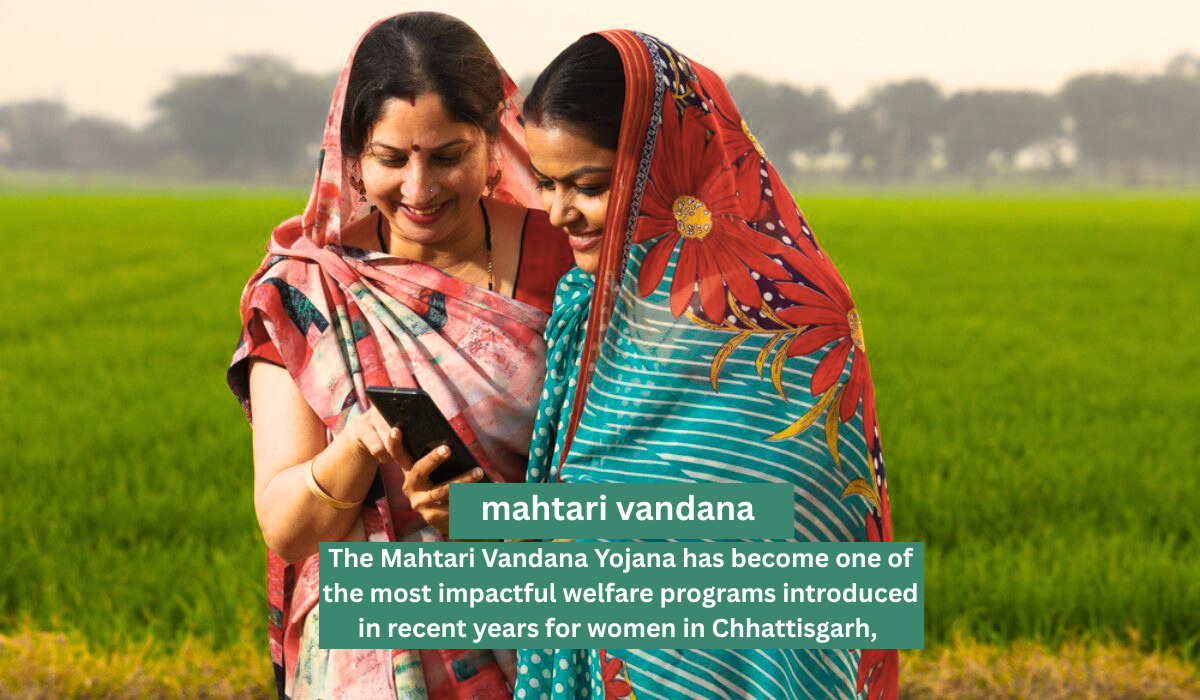
The Mahtari Vandana Yojana has become one of the most impactful welfare programs introduced in recent years for women in Chhattisgarh, and its purpose goes far beyond simply offering monthly financial aid. It is viewed as a major step in recognizing the strength, struggles, and dedication of women—especially those who often manage households without enough financial support. This scheme was launched by the Government of Chhattisgarh to ensure that married women, widows, divorced women, and women who have been abandoned or separated receive stable financial assistance every month. The idea behind the scheme is rooted in the belief that financial independence is one of the strongest forms of empowerment, and giving women direct monetary support helps them make more confident decisions for themselves and their families. The monthly benefit amount of ₹1,000 may seem modest on paper, but for many women living in economically weaker regions, this consistent income has a meaningful impact on their daily lives.
Background and Launch of the Scheme
The scheme was officially inaugurated with the involvement of Prime Minister Narendra Modi, underscoring the seriousness and commitment of the government toward women’s financial empowerment. The launch was widely covered across the country, and the scheme quickly gained attention due to its target group of beneficiaries—women who handle household responsibilities, care for children, and contribute significantly to community well-being but often lack direct economic agency. While the scheme is available to married women, it is also open to widows, divorced, and abandoned women, making it inclusive and sensitive to real-life circumstances faced by many women in Chhattisgarh. The government has made it clear that the objective is not just to assist women temporarily but to give them consistent support for long-term security. Authorities have indicated that the scheme will remain active at least until March 31, 2028, and potentially continue further based on government planning and budgeting.
How the Scheme Works for Women
One of the main reasons the Mahtari Vandana Yojana stands out is its simple, direct, and transparent benefit distribution model. The money is transferred directly to the beneficiary’s bank account using the Direct Benefit Transfer (DBT) system. This eliminates middlemen and reduces the possibility of corruption, delays, or misuse of funds. Women receive the payment every month once their application is verified, and recent data shows that more than 70 lakh women are expected to benefit from this scheme over time. In one of the earlier installments alone, the government released more than ₹655 crore, ensuring that financial support reached all eligible applicants promptly. The large-scale impact becomes even more significant when you consider that many of these women rely on irregular household incomes or work in unorganized sectors where wages are low and unpredictable.
Mahtari Vandana Yojana – Quick Overview Table
| Topic | Details |
|---|---|
| Scheme Name | Mahtari Vandana Yojana |
| Launched By | Government of Chhattisgarh |
| Launched For | Married women, widows, divorced, and separated women of the state |
| Main Purpose | Financial assistance and women empowerment |
| Monthly Benefit Amount | ₹1,000 per month (transferred directly to bank account) |
| Beneficiary Age Limit | 18 years and above (as per scheme guidelines) |
| Required Documents | Aadhaar, bank passbook, income certificate, address proof, marriage certificate (if needed) |
| Application Mode | Online & Offline (via Panchayat, Anganwadi, Block office) |
| Financial Support Goal | To help women meet daily needs, improve nutrition, strengthen family well-being |
| Target Groups | SC/ST/OBC/General (as per income eligibility) |
| Official Benefit Delivery System | Direct Benefit Transfer (DBT) |
| Status Check Availability | Yes, online through the official portal |
| Scheme Type | Women Welfare & Social Security Scheme |
| Key Features | Simple registration, monthly income support, empowerment and independence |
| Additional Support | Helps in healthcare, family needs, and children’s education |
| Geo Coverage | Entire state of Chhattisgarh |
Eligibility Requirements
For a woman to qualify for the scheme, she must be a permanent resident of Chhattisgarh, and her age should generally be 21 years or above, although specific district-level rules may vary slightly. The focus is firmly on women who belong to economically weaker households, and there are eligibility filters to ensure that benefits reach those who truly need them. For example, if any member of the woman’s family pays income tax, the woman becomes ineligible for the scheme. Similarly, if a family member holds certain government positions—such as being a senior officer, an elected MLA or MP, or a chairman of a government board—the applicant will not qualify for benefits. These restrictions are in place to prevent duplication of benefits and ensure that financial support is provided only to households genuinely facing financial hardship.
Application Process
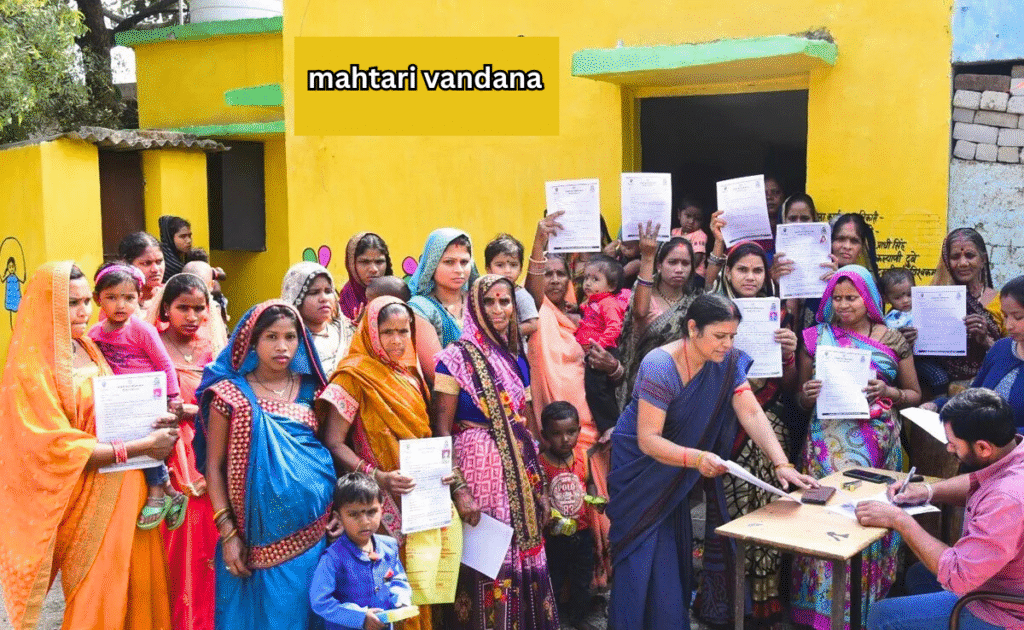
Applying for the Mahtari Vandana Yojana can be done in both online and offline modes. Online applications are submitted through the official government portal where women can fill out their details, upload the necessary documents, and track their application status. The offline process is equally convenient and accessible because women in remote or rural areas can simply visit their nearby Anganwadi center, Gram Panchayat, or municipal ward office to fill out the application form. Required documents include an Aadhaar card, proof of residence, bank passbook, marriage certificate or declaration, income certificate, and sometimes a photograph. The verification process ensures that there are no discrepancies, and once the application is approved, payments start reflecting regularly in the beneficiary’s bank account. Applicants can also check their payment status online using their application number, Aadhaar number, or registered mobile number, which brings transparency and peace of mind.
Impact on Women’s Lives
Mahtari Vandana, The personal and emotional impact of the scheme on women is significant and often understated. For many women, especially in rural areas, receiving money in their own bank account gives them a sense of pride and ownership that they may have never experienced before. These funds help them make independent decisions—whether it is buying groceries, paying for school supplies, managing health-related expenses, or saving a small portion for emergencies. Women often prioritize household needs, so the money ultimately benefits families, especially children, who gain improved nutrition, better educational support, and a more stable home environment. Some women even use this monthly amount to start small income-generating activities, slowly improving their economic condition over time.
Recognizing Women’s Unpaid Work
Another important aspect that makes the Mahtari Vandana Yojana meaningful is the recognition of women’s unpaid labor. Across India, millions of women engage in unpaid domestic work, care work, and agricultural support, yet they have no formal income source. This scheme, although modest in financial value, acknowledges that women contribute tirelessly to their households and communities. By providing direct financial support, the government signals that these contributions matter and deserve compensation. This moral and emotional acknowledgment strengthens the relationship between women and the state and builds trust in public welfare systems.
Challenges and Barriers
The scheme, however, is not without its challenges. Verification of income, residence, and marital status can be difficult in rural areas where documentation is inconsistent or unavailable. Some women may not have their bank accounts linked with Aadhaar, which is required for direct transfers. In such cases, local officials and Anganwadi workers often play an essential role in helping women complete documentation and receive benefits. Awareness also remains a major issue, as many eligible women may not know that such a scheme exists or how to apply. Government campaigns, community meetings, and digital announcements have been used to spread awareness, but more work continues to be needed to ensure that no eligible woman is left behind.
Current Status and Scale of Reach
Despite these barriers, the scheme continues to expand and evolve. Recent data shows that installment after installment has been released successfully, covering more than 69 lakh women in each cycle. With each monthly payment, the scheme proves its reliability and effectiveness. Families receiving the benefits report improved financial stability, and many women feel more confident in participating in household decision-making. This shift is important because women’s voices, when empowered, lead to healthier, better-functioning families and communities.
Social and Emotional Significance
Beyond economic and health benefits, the scheme brings emotional comfort as well. Women who have been separated, widowed, or abandoned often face social isolation and financial stress. For them, the monthly support feels like a reassurance that they have not been forgotten and that society values their dignity. Many beneficiaries are first-time account holders, and receiving government funds directly into their own bank accounts gives them confidence, independence, and a sense of identity. This psychological empowerment is perhaps the scheme’s most powerful success.
Long-Term Importance
The scheme also highlights the need for accurate data and strong digital systems. The government’s shift toward digital applications, real-time tracking, and direct benefit transfers reflects the evolution of public welfare systems. While challenges exist, especially in remote regions with limited internet access, the progress is steady and beneficial.
Conclusion
In conclusion, the Mahtari Vandana Yojana is more than just a financial assistance program. It is a transformative initiative that touches the lives of millions of women by giving them stability, respect, and agency. Although the amount is small, its impact is large because it arrives consistently, directly, and without discrimination among eligible beneficiaries. The scheme uplifts women emotionally, financially, and socially, helping them strengthen their role within their families and communities. As the program continues, its long-term benefits will likely become even more visible, helping create a society where women are supported, valued, and enabled to lead empowered lives.
FAQs
Q: What is Mahtari Vandana Yojana?
A: It is a financial support scheme by the Chhattisgarh government that provides monthly assistance to eligible women to support their everyday needs.
Q: Who can apply for Mahtari Vandana Yojana?
A: Married, widowed, divorced, or separated women who are permanent residents of Chhattisgarh and meet the income criteria can apply.
Q: How much money is given under the scheme?
A: Eligible women receive ₹1,000 per month directly into their bank account through the DBT system.
Q: What documents are needed for the application?
A: Aadhaar card, bank passbook, income proof, address proof, and marital status documents are required.
Q: How can I check my Mahtari Vandana payment status?
A: You can check it online using the official portal by entering your registered mobile number or application number.
