
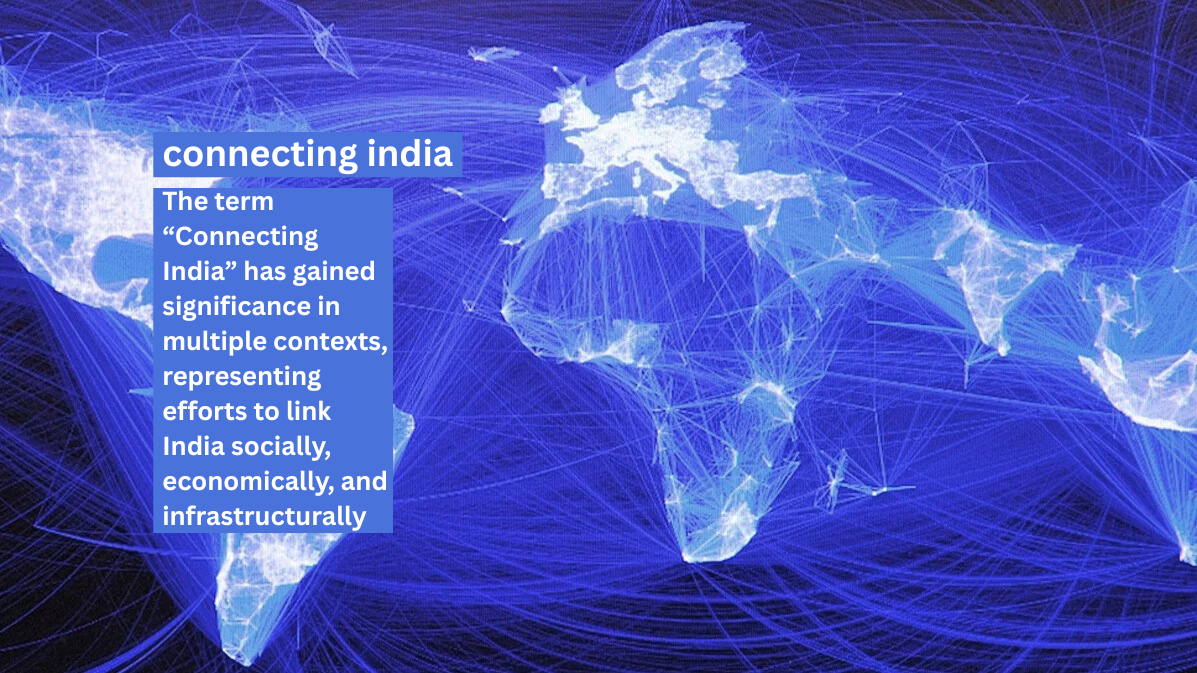
The term “Connecting India” has gained significance in multiple contexts, representing efforts to link India socially, economically, and infrastructurally with itself and the wider world. At its core, the concept is about creating bridges—physical, digital, and social—that enable better opportunities, equitable growth, and sustainable development. In a country as vast and diverse as India, connecting communities, businesses, and institutions has never been more critical. From urban centers to remote villages, connectivity determines access to markets, education, healthcare, and global trade opportunities.
“Connecting India” is not a single initiative but a constellation of programs, platforms, and policies that share a common goal: empowering citizens, enabling businesses, and improving national infrastructure. Over the past two decades, the country has made measurable progress in building roads, expanding telecommunication networks, electrifying rural regions, and creating platforms that connect Indian manufacturers with global buyers. Beyond physical infrastructure, connectivity also includes social and educational interventions that aim to bridge the opportunity gap, particularly for underprivileged students and communities.
Connecting India as a B2B Trade Platform
What It Is
Connecting India (the company) is a modern B2B initiative designed to link global buyers with reliable Indian manufacturers. The platform emphasizes reducing dependency on middlemen, improving transparency, and delivering high-quality products from India directly to international markets. All suppliers are vetted, with many registered under India’s Export Credit Guarantee Corporation (ECGC), ensuring credibility and quality assurance.
This initiative aligns with India’s broader “Make in India” campaign, which encourages domestic manufacturing and seeks to position India as a global supplier of high-quality goods. By providing verified manufacturer information, the platform builds trust and helps foreign buyers navigate the complexities of sourcing products from India.
How It Works
Connecting India offers end-to-end support for exporters and buyers. This includes assistance with payment processing, currency exchange, shipping logistics, and customs clearance. The platform also highlights women-led businesses, promoting gender equity in manufacturing by giving smaller enterprises the visibility and support needed to compete internationally.
The range of products on the platform is diverse. Buyers can source furniture, including office tables and chairs; chemicals, such as detergent pods and industrial ingredients; agricultural goods, including high-quality rice varieties like basmati and sona masuri; spices, including turmeric, cardamom, and black pepper; and processed foods, such as millets, pasta, and noodles. This diversity reflects the breadth and depth of India’s manufacturing and agricultural sector.
Benefits and Challenges
For global buyers, the platform reduces costs, mitigates risks associated with unreliable suppliers, and provides direct access to high-quality Indian products. For Indian manufacturers, especially small- and medium-sized businesses, it provides a gateway to international markets, increased visibility, and the potential for scaling operations efficiently.
However, challenges persist. Ensuring consistent quality remains critical, and cross-border logistics can be complex, involving multiple intermediaries and compliance requirements. Currency fluctuations can also impact international transactions. Despite these challenges, the platform represents a significant step forward in promoting global trade engagement and empowering Indian enterprises to compete on the world stage.
Connect India Trust: Empowering Education
Overview
The Connect India Trust is a social-impact initiative aimed at transforming government schools across India. The organization believes that education is the foundation of equitable growth and that every child deserves access to quality learning resources, mentorship, and opportunities for holistic development. The trust focuses not only on academic outcomes but also on career readiness, life skills, and mental well-being, ensuring that students are prepared for the challenges of the modern world.
Initiatives and Support
Connect India Trust equips schools with essential learning resources, including audio-visual kits, science kits, libraries, stationery, and hygiene supplies. College interns and trained educators mentor students in government schools, creating an environment that nurtures curiosity, confidence, and ambition. By fostering direct interactions between students and mentors, the trust enables young learners to explore their potential beyond the constraints of conventional classroom settings.
The trust also engages alumni networks and community members to sustain and expand its initiatives. Its “Beyond Reunions” program encourages alumni to participate actively in school improvement, contributing their time, expertise, and resources. This ensures that school development is ongoing and sustainable, rather than a one-time intervention.
Impact
Connect India Trust has helped reduce the quality gap between public and private schools. Students from underfunded schools gain access to educational tools and mentoring that help them excel academically and socially. The trust emphasizes holistic development, preparing children not only for examinations but also for career opportunities and life challenges. The initiative exemplifies how social interventions can create meaningful human connections, enabling students to achieve their full potential and participate actively in India’s growth story.
| Attribute | Details |
|---|---|
| Name | Connecting India |
| Type | B2B Trade Platform / Social & Development Initiatives |
| Founded | [Insert Year – depends on official info] |
| Founder(s) | [Insert Founder Names if available] |
| Headquarters | India |
| Focus Areas | Trade, Export, Education, Infrastructure |
| Key Products/Services | Furniture, Chemicals, Agricultural Goods, Spices, Millets, Pasta, Educational Support |
| Target Audience | Global Buyers, Indian Manufacturers, Students, Communities |
| Special Initiatives | Women-led Business Support, Connect India Trust for Government Schools |
| Website | https://www.connectingindia.net |
| Social Media | [Insert official social media links if available] |
| Impact | Supports international trade, empowers students, improves infrastructure, promotes inclusive growth |
| Additional Info | Combines business, social, and infrastructure development to create a connected India |
Connecting India as a Development Vision
Infrastructure and Growth
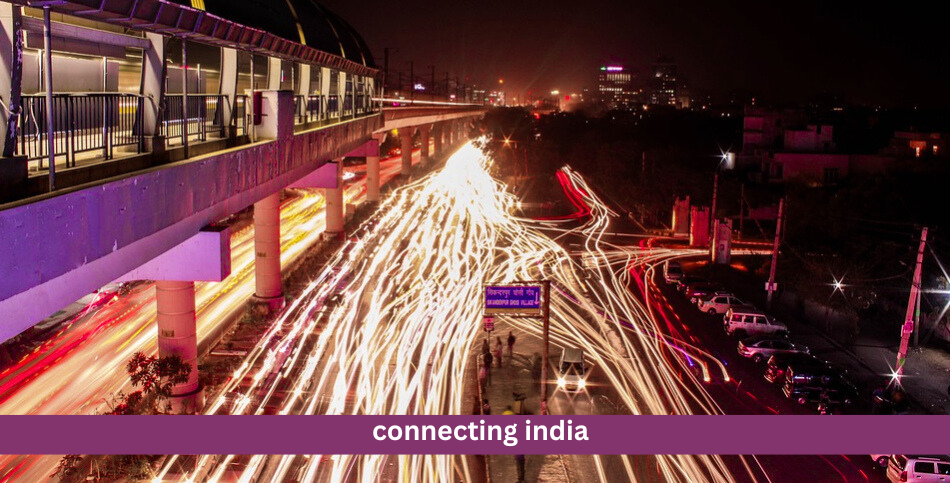
Beyond companies and NGOs, Connecting India represents a national development vision emphasizing the improvement of infrastructure, particularly roads, electricity, and telecommunications. These pillars are essential for facilitating trade, education, healthcare, and overall economic growth. Policy analysts and development researchers have consistently shown that investments in these areas directly influence productivity, market access, and social inclusion.
Roads
Roads are a fundamental enabler of connectivity. They link rural producers to markets, reduce transportation costs, and allow workers to commute efficiently to employment centers. Between 2009 and 2015, India significantly expanded its road network, with rural road density increasing by more than 40%. This expansion improved access to education, healthcare, and markets, transforming local economies and enabling communities to participate more effectively in regional and national growth.
Telecommunications
Telecommunications, particularly mobile connectivity and internet access, have been transformative. Rural teledensity surged from less than 1% in 2001 to over 44% in 2014. Mobile phones, internet access, and digital tools now provide students with educational resources, farmers with market information, and small businesses with e-commerce opportunities. Digital connectivity has become a critical enabler for social inclusion, allowing remote communities to access services, knowledge, and networks previously beyond their reach.
Electricity
Reliable electricity is the backbone of modern infrastructure. It powers schools, hospitals, businesses, and homes, enabling economic activity and improving quality of life. Satellite night-light data indicates substantial growth in electricity access across India, including in rural and semi-urban areas. This expansion not only lights up homes and streets but also facilitates the growth of small industries, educational institutions, and healthcare services.
Overall Impact
The integration of roads, electricity, and telecommunications has had a multiplying effect on development. Improved connectivity reduces transaction costs, fosters innovation, and encourages entrepreneurship. Communities previously isolated due to distance or lack of infrastructure are now participating in the national economy, with better access to education, healthcare, and markets. The development vision of Connecting India highlights how structural investments can promote inclusive growth, ensuring that economic, social, and human benefits reach even the most remote areas.
The Human Dimension of Connecting India
Connecting India is not solely about physical or digital infrastructure; it is also about human empowerment. By linking businesses with global markets, educational institutions with mentors, and rural communities with essential services, India is fostering opportunity and inclusion. B2B platforms like Connecting India provide economic opportunities for entrepreneurs and manufacturers, while initiatives like Connect India Trust ensure that students are equipped to take advantage of these opportunities.
These human connections extend beyond economic participation. They foster social cohesion, cultural exchange, and community engagement. Students gain mentors, manufacturers gain international exposure, and communities benefit from improved access to markets and services. The human dimension of Connecting India demonstrates that connectivity is not just about logistics or technology—it is about building relationships, capacity, and trust across society.
Conclusion
“Connecting India” is a multi-layered concept driving transformation across trade, education, and infrastructure. It represents a holistic approach to development, where economic opportunity, social equity, and structural connectivity converge. Through B2B trade platforms, India’s manufacturers can access global markets and scale their businesses. Through social initiatives, underprivileged students gain access to education, mentorship, and career opportunities. Through infrastructure development, remote communities are connected to markets, services, and economic growth.
Ultimately, Connecting India embodies opportunity, empowerment, and inclusion. It highlights the importance of creating bridges—both literal and metaphorical—that enable every citizen to participate in India’s growth story. As the country continues to expand its roads, digital networks, and energy access, and as platforms and social initiatives continue to thrive, India’s journey toward a more connected, equitable, and prosperous future becomes increasingly tangible.
FAQs
Q: What is Connecting India?
A: Connecting India refers to initiatives that link businesses, communities, and infrastructure to improve trade, education, and connectivity across the country.
Q: How does Connecting India help businesses?
A: It provides a B2B platform where global buyers can connect directly with verified Indian manufacturers, reducing middlemen and boosting exports.
Q: What is Connect India Trust?
A: It is a social initiative that supports government schools by providing learning tools, mentorship, and community involvement for holistic student development.
Q: How does Connecting India improve infrastructure?
A: By expanding roads, electricity, and telecommunications, it enables better market access, digital connectivity, and rural development.
Q: Who benefits from Connecting India?
A: Small and medium businesses, women-led enterprises, students in government schools, and communities in rural and urban areas all benefit from its initiatives.
