
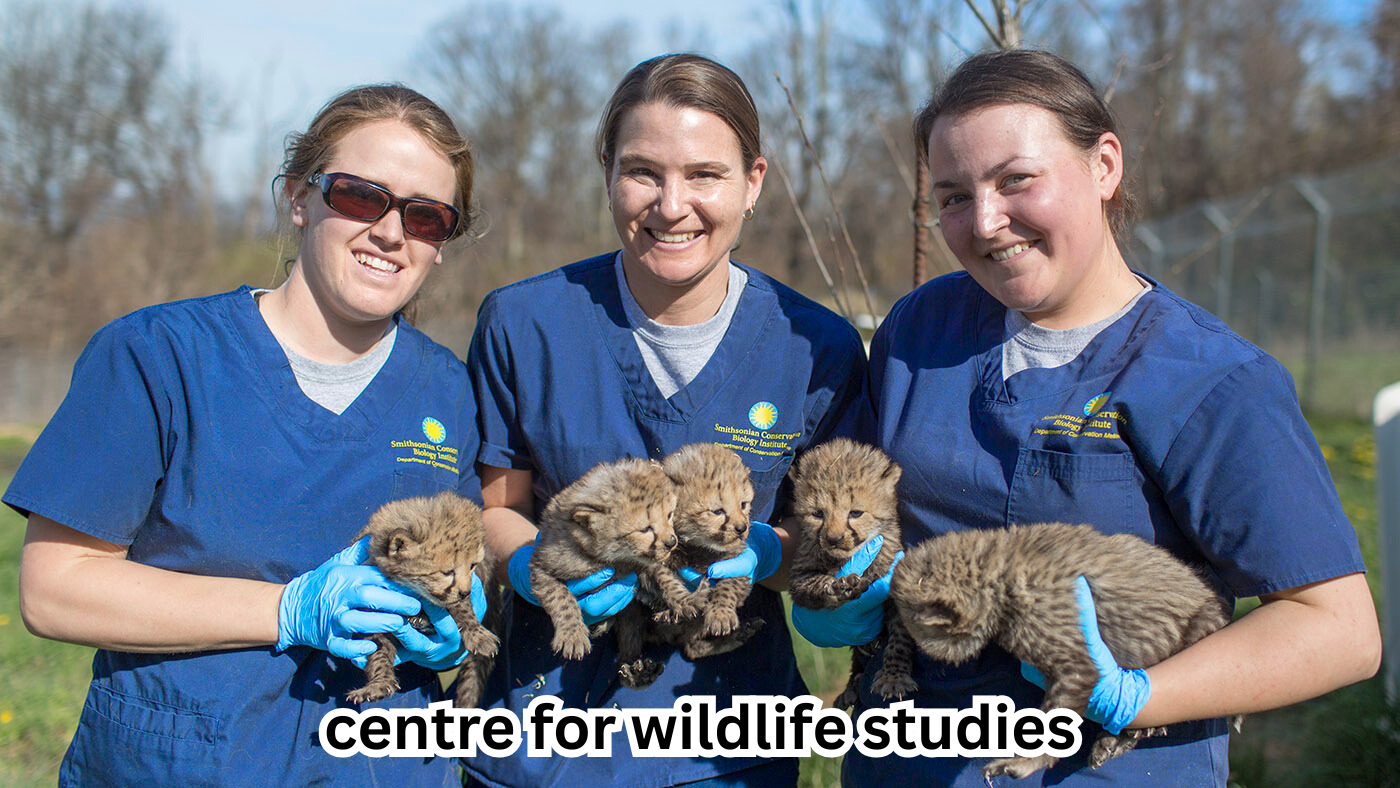
The Centre for Wildlife Studies (CWS) is a premier non-profit organization based in Bengaluru, India, dedicated to the scientific study and conservation of wildlife. Founded in 1984 by the renowned wildlife scientist K. Ullas Karanth, CWS has grown from a small research initiative focusing on tigers into a comprehensive institution that addresses biodiversity conservation, human-wildlife coexistence, education, and policy advocacy. Officially recognized by the Government of India as a Scientific and Industrial Research Organisation (SIRO) and as a Centre of Excellence, CWS has established itself as a credible authority in wildlife research and conservation. The organization’s mission extends beyond protecting species; it encompasses the sustainable coexistence of humans and wildlife, the conservation of habitats, and the cultivation of environmental stewardship among communities and future generations.
Research and Biodiversity Studies
CWS began with a strong emphasis on understanding the ecology of tigers, making it one of the longest-running tiger research programs globally. This research has been pivotal in refining methods for studying large mammals, including radio telemetry, pattern-matching of stripes, genetic sampling, and habitat analysis. Over the years, the scope of CWS expanded to include other mammals such as leopards, sloth bears, wild dogs, and various prey species. The organization also studies a wide array of biodiversity including birds, amphibians, butterflies, and plants. Significantly, CWS research is not confined to protected reserves; it extends to human-modified landscapes like coffee, rubber, and areca farms in the Western Ghats, demonstrating that sustainable land-use practices can support rich biodiversity. By analyzing how wildlife persists in areas influenced by humans, CWS provides crucial insights for balancing conservation with human livelihoods.
Human-Wildlife Coexistence
The organization places a strong emphasis on mitigating human-wildlife conflict, recognizing that the survival of wildlife depends on how well humans and animals coexist. Through programs such as Wild Seve, Centre for Wildlife Studies provides financial support and compensation to people affected by wildlife incursions, crop damage, or livestock loss. The organization also helps communities establish alternative livelihoods, including sustainable agriculture, vocational training, and financial support, thereby reducing dependency on forest resources. This holistic approach ensures that conservation initiatives do not come at the expense of human well-being and encourages communities to participate in protecting wildlife. CWS further focuses on habitat connectivity, sustainable nature-based tourism, and the creation of wildlife corridors to ensure that animals can move safely across landscapes, reducing conflict and supporting ecological balance.
Education and Capacity Building
Education and capacity-building are central to Centre for Wildlife Studies mission. The organization offers formal programs, including a Master’s degree in Wildlife Biology and Conservation and a Ph.D. in Wildlife Ecology and Conservation, in partnership with recognized universities. These programs train the next generation of wildlife scientists and conservationists, equipping them with both theoretical knowledge and hands-on field experience. CWS also invests in environmental education for children, particularly those living near forested areas, nurturing young naturalists and fostering respect for wildlife from an early age. Beyond formal education, the organization conducts training and workshops for conservation practitioners, natural-resource managers, educators, and researchers, ensuring that knowledge is widely disseminated and applied. These educational initiatives create a ripple effect, empowering individuals to make meaningful contributions to wildlife conservation in their communities.
| Attribute | Details |
| Name | Centre for Wildlife Studies (CWS) |
| Founded | 1984 |
| Founder | K. Ullas Karanth |
| Headquarters | Bengaluru (Bangalore), India |
| Type | Non-profit organization / Wildlife research & conservation |
| Recognition | Scientific and Industrial Research Organisation (SIRO), Centre of Excellence |
| Main Focus | Wildlife research, biodiversity conservation, human-wildlife coexistence, education |
| Key Species Studied | Tigers, leopards, wild dogs, sloth bears, birds, amphibians, plants |
| Education Programs | Master’s and Ph.D. in Wildlife Biology and Conservation; workshops and training for practitioners |
| Community Programs | Conflict mitigation, alternative livelihoods, environmental education, awareness programs |
| Official Website | https://cwsindia.org |
| Social Media | Active on platforms like Twitter, LinkedIn, and Facebook (search “Centre for Wildlife Studies India”) |
Public Engagement and Policy Advocacy
Public engagement and policy advocacy are equally significant aspects of Centre for Wildlife Studies work. By publishing scientific research, books, and articles in multiple languages, the organization communicates conservation insights to a broad audience. It collaborates with government bodies and civil society institutions to influence wildlife protection policies and sustainable land-use planning. For example, Centre for Wildlife Studies partnership with the Shikshagraha movement integrates environmental awareness into public school curricula, helping children understand and value India’s biodiversity. Through citizen science initiatives, media outreach, and educational programs, CWS ensures that conservation knowledge reaches both local communities and the broader public, promoting informed decision-making and encouraging societal participation in environmental stewardship.
Scientific Excellence and Innovation
The impact of CWS extends far beyond research and education. Over the decades, it has published hundreds of peer-reviewed studies and multiple books, contributing significantly to global knowledge on wildlife ecology and conservation science. Its research has shaped conservation strategies and policy decisions at both state and national levels in India. By studying wildlife in diverse habitats and human-influenced landscapes, CWS demonstrates that conservation does not necessitate isolating humans from nature. Instead, thoughtful management, sustainable practices, and community involvement enable coexistence, which is essential for long-term conservation success.
Community Support and Coexistence
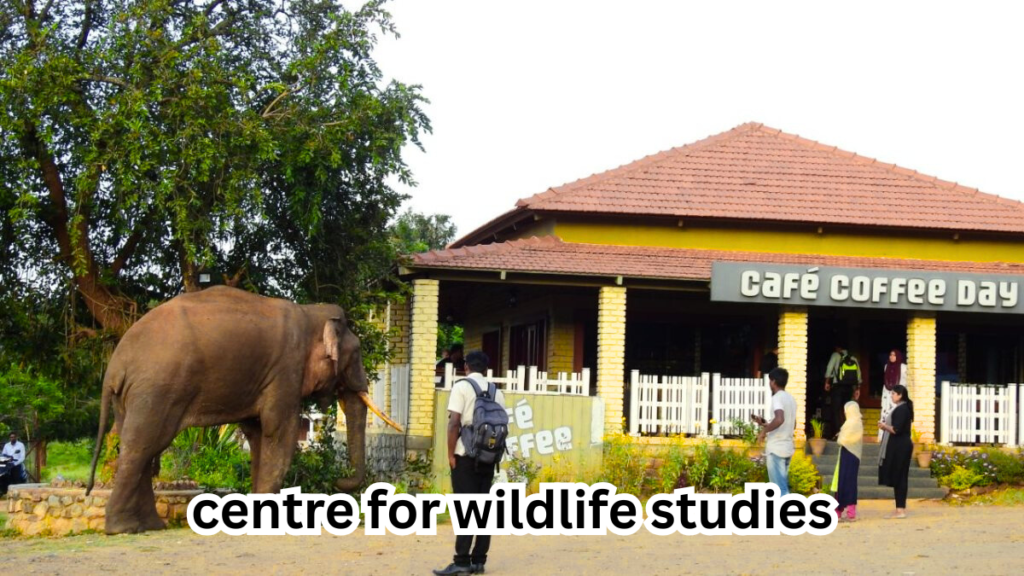
CWS’s focus on communities living near wildlife habitats exemplifies a human-centered approach to conservation. By providing support through financial compensation, alternative income opportunities, healthcare assistance, and educational outreach, the organization reduces conflicts between humans and wildlife while improving local livelihoods. This approach fosters cooperation rather than antagonism toward wildlife, creating a foundation for sustainable conservation. It also helps protect the integrity of ecosystems, ensuring that species, habitats, and ecological processes are maintained for future generations. The organization’s model illustrates that effective conservation requires addressing both ecological and social dimensions simultaneously.
Training Future Conservation Leaders
Training future leaders in conservation is another cornerstone of Centre for Wildlife Studies Centre for Wildlife Studies work. By offering advanced degrees, hands-on fieldwork, and exposure to real-world conservation challenges, CWS ensures that a skilled cadre of scientists and practitioners is available to manage India’s rich biodiversity. Engaging children in environmental education programs helps instill an early appreciation for wildlife and ecosystems, creating a generation of informed citizens who value and protect the natural world. Such initiatives have long-term implications, building capacity not only for research but also for community-driven conservation and advocacy.
Policy Influence and Public Awareness
Centre for Wildlife Studies also plays a critical role in shaping conservation policy and public understanding. By providing rigorous scientific evidence on wildlife populations, habitat requirements, and human-wildlife interactions, the organization informs government decisions on protected areas, land-use planning, and conflict mitigation strategies. Its outreach efforts extend to schools, media, and public forums, raising awareness about biodiversity, ecological balance, and the importance of sustainable practices. This combination of science, advocacy, and education ensures that conservation efforts are well-informed, socially inclusive, and sustainable.
Challenges and Regulatory Issues
Like many conservation organizations, Centre for Wildlife Studies has faced challenges. In 2023, its registration under India’s foreign-funding law (FCRA) was cancelled, temporarily affecting its funding and operations. However, in 2024, the Karnataka High Court quashed the cancellation, restoring the organization’s ability to receive foreign funds. This incident highlights the complexities that conservation organizations face, especially in navigating regulatory and political landscapes, and underscores the importance of public support and transparency in conservation work.
The Unique Approach of CWS
The unique strengths of Centre for Wildlife Studies lie in its science-based approach, holistic understanding of human-wildlife interactions, commitment to education, and flexibility in addressing conservation challenges. Unlike organizations that focus solely on species protection, CWS integrates research, community engagement, education, and policy advocacy into its conservation model. This breadth allows the organization to address wildlife protection from multiple angles, ensuring that both ecological integrity and human well-being are considered. By involving communities and providing tangible benefits, CWS fosters a collaborative approach that enhances the likelihood of long-term success.
Global and Long-Term Importance
The work of Centre for Wildlife Studies has significant implications for the planet, people, and future generations. In a world where habitat destruction, climate change, and human expansion threaten biodiversity, the organization’s efforts are vital. CWS demonstrates that conservation can be both effective and compassionate, balancing the needs of wildlife with the well-being of local communities. By training future conservationists, conducting cutting-edge research, and raising public awareness, Centre for Wildlife Studies ensures that wildlife protection is grounded in science, social responsibility, and education. The organization’s model serves as a blueprint for sustainable conservation, showing that humans and wildlife can coexist when informed, thoughtful strategies are implemented.
Conclusion
The Centre for Wildlife Studies exemplifies the integration of science, education, community engagement, and policy advocacy in wildlife conservation. Its decades of research, commitment to human-wildlife coexistence, focus on education, and influence on public policy make it a vital institution in India and a model for conservation worldwide. For those interested in wildlife, ecology, and sustainable coexistence, Centre for Wildlife Studies offers inspiration, knowledge, and a practical path toward preserving the planet’s natural heritage. The organization’s work underscores a crucial lesson: true conservation is not just about protecting animals; it is about creating a balanced relationship between humans and the natural world that benefits both for generations to come.
FAQs
Q: What is the Centre for Wildlife Studies?
A: It is a non-profit organization in Bengaluru, India, focused on wildlife research, conservation, and education.
Q: Who founded CWS and when?
A: CWS was founded in 1984 by renowned wildlife scientist K. Ullas Karanth.
Q: What species does CWS mainly study?
A: CWS studies tigers, leopards, wild dogs, sloth bears, and other wildlife, including birds, amphibians, and plants.
Q: Does CWS offer educational programs?
A: Yes, it offers Master’s and Ph.D. programs in Wildlife Biology and Conservation and trains conservation practitioners.
Q: How does CWS help local communities?
A: CWS supports communities with conflict mitigation, alternative livelihoods, education, and environmental awareness programs.
